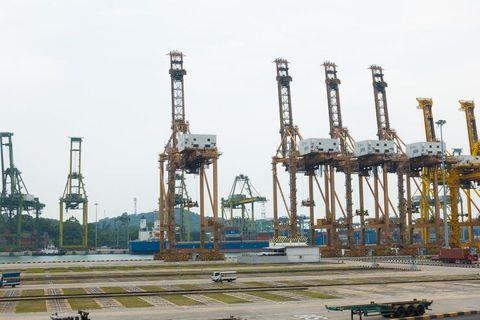
A Complete Guide to Industrial Tools
Industrial tools are essential devices and equipment used in manufacturing, construction, engineering, and production environments. These tools help perform tasks such as cutting, shaping, assembling, measuring, lifting, and maintaining machinery or materials. Over time, industrial tools have evolved from simple hand-operated devices to advanced automated systems that support large-scale production and precision-based work.
In modern industries, tools are designed to increase efficiency, maintain safety standards, and improve operational performance. They support industries such as automotive manufacturing, infrastructure development, electronics production, and energy generation. As global industrial activity grows, understanding industrial tools becomes important for professionals, students, and businesses interested in industrial technology and workplace productivity
Understanding Industrial Tools and Their Purpose
Industrial tools exist to simplify complex physical tasks and enhance consistency in production processes. These tools may include manual instruments such as spanners, drills, and cutting tools, as well as powered machinery like hydraulic presses, CNC machines, welding systems, and industrial robots.
The development of industrial tools is closely connected to the need for higher output and better quality control. Early industries relied heavily on human labor, but technological progress introduced machines capable of performing repetitive tasks with greater accuracy.
Industrial tools generally fall into several categories:
- Hand tools: Used for maintenance, repair, and small-scale fabrication
- Power tools: Operated using electricity, compressed air, or hydraulic systems
- Machine tools: Used in manufacturing environments for shaping metal or other materials
- Measuring tools: Provide precision in dimensions, weight, temperature, and pressure
- Automation tools: Include robotic arms and programmable systems for advanced production
These tools play a crucial role in ensuring standardized output and supporting industrial growth across sectors.
Why Industrial Tools Matter in Modern Industry
Industrial tools have become increasingly important due to the rapid pace of technological change and the expansion of global supply chains. Industries require reliable equipment to maintain productivity, minimize errors, and manage operational risks.
One of the primary benefits of industrial tools is improved efficiency. Automation and digital control systems enable factories to operate continuously while reducing manual intervention. This helps maintain consistent production levels and reduces downtime caused by human fatigue or operational mistakes.
Industrial tools also contribute to workplace safety. Equipment designed with safety features such as emergency stops, protective guards, and monitoring sensors helps reduce accidents and injuries. In sectors such as construction and heavy engineering, proper tool usage supports compliance with occupational safety standards.
Another important aspect is quality control. Precision tools allow manufacturers to maintain exact measurements and tolerances. This is especially relevant in industries such as aerospace and electronics, where minor deviations can affect performance or reliability.
The following table highlights how industrial tools support different industrial objectives:
| Industrial Objective | Role of Industrial Tools | Example Applications |
|---|---|---|
| Productivity | Faster task completion | Assembly lines |
| Accuracy | Precise measurement | CNC machining |
| Safety | Risk reduction | Protective tooling |
| Consistency | Standardized output | Automated systems |
| Innovation | Advanced processes | Smart manufacturing |
By supporting these objectives, industrial tools help organizations remain competitive in global markets.
Recent Trends and Developments in Industrial Tools
Industrial technology has seen significant updates over the past year. From 2024 to early 2025, several trends have influenced the design and application of industrial tools.
One major development is the integration of smart sensors and Industrial Internet of Things (IIoT) systems. Modern tools are increasingly connected to digital platforms that allow real-time monitoring and predictive maintenance. This trend helps reduce unexpected equipment failures and improves operational planning.
Another trend is the adoption of energy-efficient equipment. Governments and environmental organizations have encouraged industries to reduce carbon emissions. As a result, manufacturers are focusing on tools that consume less power while maintaining performance.
Automation and robotics have also expanded. Collaborative robots, often called cobots, are now used alongside human workers to perform repetitive or hazardous tasks. According to industry reports published in 2025, automation adoption in manufacturing facilities continues to increase across Asia and Europe.
The following simplified graph illustrates the growing adoption of automation tools in industrial settings:
Digital training platforms and simulation software have also gained attention. These resources allow workers to understand equipment functions without direct exposure to risk, improving skill development and operational awareness.
Regulations and Policies Affecting Industrial Tools
Industrial tools are subject to various laws and policies that ensure safe and responsible usage. Governments and regulatory bodies establish standards to protect workers, maintain environmental balance, and ensure product reliability.
In India, industrial equipment usage is influenced by occupational safety guidelines, environmental protection rules, and machinery certification requirements. Agencies responsible for industrial safety promote compliance with standards related to noise levels, emissions, and electrical safety.
Internationally, standards organizations provide frameworks for tool manufacturing and testing. For example, guidelines related to machinery safety, ergonomic design, and quality management help ensure that industrial tools meet acceptable performance benchmarks.
Environmental policies also influence tool design. Regulations aimed at reducing industrial pollution encourage manufacturers to develop equipment that minimizes waste and energy consumption. These policies have contributed to the rise of sustainable manufacturing practices and resource-efficient machinery.
Training requirements are another policy-related aspect. Many industries require workers to undergo certified training programs before operating specialized equipment. This ensures that tools are used correctly and safely in industrial environments.
Helpful Tools and Resources for Learning About Industrial Equipment
Some commonly used resources include:
- Engineering simulation software: Helps visualize manufacturing processes
- Industrial maintenance tracking platforms: Monitor equipment performance data
- Productivity calculators: Estimate output levels and machine efficiency
- Online industrial standards libraries: Provide access to technical guidelines
- Technical documentation templates: Support equipment inspection reporting
These resources help professionals make informed decisions about industrial workflows and technological adoption.
The table below shows how different resources contribute to industrial learning:
| Resource Type | Purpose | Key Benefit |
|---|---|---|
| Simulation tools | Process visualization | Risk reduction |
| Monitoring dashboards | Equipment tracking | Predictive maintenance |
| Training modules | Skill development | Improved safety awareness |
| Data analysis platforms | Performance evaluation | Operational insights |
| Documentation templates | Maintenance recording | Compliance support |
Using these resources can help industries adapt to technological changes and maintain efficient operations.
Frequently Asked Questions
What are industrial tools used for?
Industrial tools are used to perform tasks such as manufacturing, assembly, maintenance, measurement, and material handling in industrial environments. They help improve efficiency and ensure consistent output.
How do modern industrial tools improve safety?
Many tools include protective features such as sensors, automatic shutdown systems, and ergonomic designs. These features help reduce workplace accidents and support compliance with safety standards.
What is the difference between hand tools and machine tools?
Hand tools are manually operated and typically used for smaller tasks or repairs. Machine tools are powered equipment designed for large-scale production and precision-based processes.
Why is automation becoming common in industrial settings?
Automation helps industries increase productivity, reduce errors, and manage complex processes efficiently. It also supports continuous production and data-driven decision-making.
How can someone learn more about industrial tools?
Learning resources include technical manuals, industrial training platforms, engineering courses, and digital simulation software that demonstrate real-world equipment usage.
Conclusion
Industrial tools form the foundation of modern manufacturing and engineering activities. From traditional hand-operated instruments to advanced automated machinery, these tools enable industries to produce goods efficiently, maintain quality standards, and ensure worker safety.
Technological progress continues to reshape the industrial landscape, with innovations such as smart monitoring systems, energy-efficient equipment, and collaborative robotics influencing how tools are designed and used. Regulations and policies further guide responsible adoption, ensuring that industrial growth aligns with environmental and safety objectives.
Understanding industrial tools helps individuals and organizations adapt to changing industrial requirements and technological advancements. As industries continue to evolve, knowledge of equipment functionality, safety practices, and digital resources will remain valuable for supporting sustainable and efficient industrial development.